


Information architecture is the art and science of figuring out what you want users to do on your website and then organising the functionality and content into a structure that users are able to understand and navigate.
In essence it is how well the website delivers on usability. It does not just happen by chance, and it’s more important than you might think.
It is a design and usability discipline that aims to identify and organize information in a purposeful and service-oriented way; in essence it is the constructing of a blueprint for the design and development of your website.
The goal of Information Architecture is to improve access to information on your website, increase relevancy and usefulness to your users. As a professional discipline, it consists of: user interface design, content development and management, usability and user experience design.
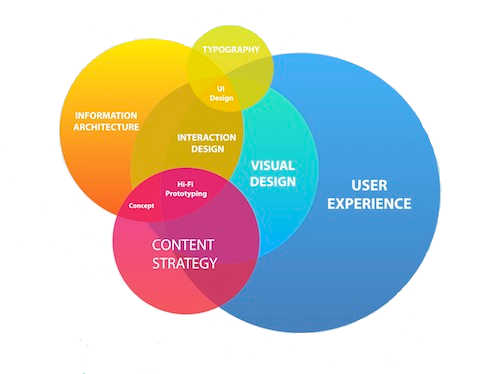 How do you as a website designer approach Information Architecture?
First you need to look at defining your websites goals. Do you sell a product or service; is the site informational or product driven? You need to research and collect clients’, co-workers’ and others opinions and assembling them in a coherent, weighted order of importance. Then you look at your long and short term goals.
The next step is pinpointing the intended audiences, conducting a need and want requirement analysis for each group. Once this is completed you start organizing your future website into pages of content and functions that the site will require to deliver on its intended purpose.
Next you create a visual blueprint of the site, by using wireframes. Wireframes provide a rough outline of page content and navigational structure, which also indicates how users will interact with the website. Once this is completed, and you are satisfied with the result; you break out our graphics design programs and start adding in the colour and styles that will make your website one of a kind.
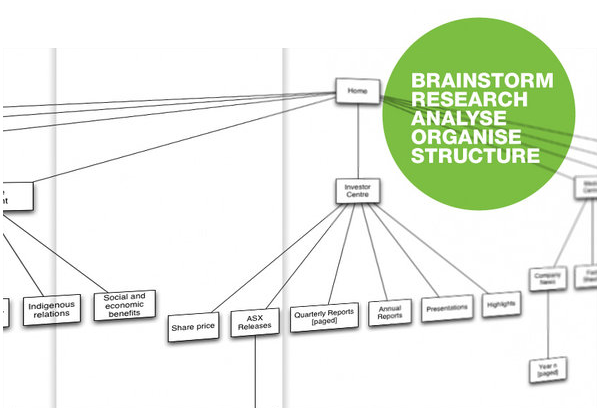 Brainstorm, Research, Analyse, Organise, Structure
A website is considered consistent when all its basic elements do not vary too much from one page to other and offer a similar experience to the visitor when they surf from page to page. Our approach to information architecture is as follow:
Competitive analysis
Site analysis and review
Site requirements & goals
Creating user journeys
Mapping the site
Creating a wireframe
Content planning
Usability Testing
Why should you care about Information Architecture?
Well it’s simple, really. With information architecture comes improved website performance and user satisfaction which ultimately leads to increased sales and more customers.
At Big Web Media we are ardent user advocates of information architecture. We know that structure works and our skill as information architects is to give meaning and structure to your new company website.
When working with one of our information architects we will ensure that your website visitors are never frustrated, overwhelmed with too much information or lose patience with your website functionality.
