


There are a number of misconceptions about how search engines operate, and how SEO works. If you are new to SEO, this can create confusion about what’s required to perform Search Engine Optimisation effectively. In Part 2 of our Beginners Guide to SEO, we’ll explain the real story behind the myths.
SEO is often seen as a bit of a dark art, and chances are that you have been contacted by an SEO firm in the past that wasn’t entirely above-board, and promised you first page rankings in a matter of weeks.
The industry has changed dramatically over the years, and with Google Panda, Penguin, Hummingbird and Pigeon updates, staying on the right track can be a daunting task. Whether you do SEO yourself or outsource it, it’s important that you know what’s outdated, what’s harmful and what’s simply a waste of effort, so that you can focus your energy on white hat search engine optimisation strategies.
So what are the common myths & misconceptions regarding SEO?
There are many, but these are some of the common ones:
Search Engine Submission – There are still SEO agencies who promise to get their clients on Google’s first page by submitting the site to the Search Engine through submission forms, stating that soon after submission, a bot would crawl and include those resources in their index, and you would rank! The truth is, Search Engines prefer discovering a site through naturally built links. Submitting your site to Google Search Console will help to get it indexed but not to rank.
Keyword Stuffing – While keywords are important for search engines to get an understanding of what your website is about, they don’t play too much of an important role anymore. In fact, repeating of the same words over and over again on your webpage is seen as SPAM, will likely get you into more trouble than good with search engines.
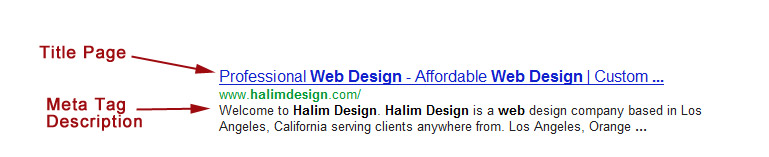
Mega tags – Like keyword stuffing, stuffing your Meta tags with Keywords no longer works. Other tags, in particular the title tag and meta description tag, are crucial for quality SEO.
Paid search helps reach top organic results – Paid search might advance your ads online but will not give your organic results the boost that you want.
Spam will get you much revenue – There are still a lot of website owners which produce a lot of spam websites, in order to artificially build links to their main site, in the hope of getting top organic results. And at times they do succeed, yet at a big cost. Not only to they get penalized by search engines such as Google, but gain a bad reputation too.
The more links a site has, the better it is ranked by search engines – The more ‘good links’ a website has, the better it will be ranked. Bad links are paid links, links from bad neighbourhoods (other sites) and links from Link farms. As they say, location, location, location… would a link from a medical insurance site make any sense if you are selling gardening products?
OFF Page SEO is not as important as ON Page SEO – Off page SEO involves Link building, social media, PR/Marketing initiatives and is as important as On page SEO which looks at your content, URLs, Title tag and Images, content, page load speed, site structure, mobile readyness and more. The two go hand in hand and balance each other. Without good content, search engines wouldn’t rank your website well. And the type of links attached to your website determine its value and how useful it is to users and search engines.
 ‘Content is King’ – Although content is very important when it comes to search engines looking at the relevance of your website, it is not the only factor that influences ranking. Link – building and Social Media engagement are just as important as having good content.
Cloaking can manipulate search engines into thinking your content is the best – Cloaking appears when a website’s back-end (HTML) has hidden text. And what is shown to users is ‘unhidden text’. Search Engines spiders are tricked into indexing the site higher.
Paid links will boost your chances of ending the NO1 spot on Google – Paid links are easily detected as by search engines. If your website uses paid links, it can easily be penalized by Google.
So what should your website look like?
As mentioned earlier, these are some of many misconceptions there are about SEO.
 The best thing your business can do for its reputation is to practise “White Hat SEO”. White Hat SEO is known as ethical SEO, adhering to guidelines as outlined by all the major search engines and not to use misleading techniques such as cloaking. Rather gain the trust of search engines by researching your content, making it user orientated and friendly before uploading it, improve your content and redesign their website if necessary. This is a winning formula in scoring points with search engines!
Finally, authenticity and abiding by ‘Google Algorithms’ takes even unrecognisable organizations to the top of their organic search. So if you want to enjoy the rewards Search Engine Optimisation can bring to your website and business, stick to the rules.
Remember in SEO: ‘A little good goes a long way…’
